Backpacking checklist: Everything you need for the trail
Backpacking is the purest way to experience the outdoor. Just you, your pack, and the freedom to explore. Packing the right gear makes the difference between a comfortable trip and a challenging one.
Here’s a practical backpacking checklist to help you prepare for your next adventure.
What to bring backpacking
When planning what to pack for a backpacking trip, consider the distance you’ll cover, how remote the area is, and the expected weather. The farther you go, the more isolated the route, and the harsher the conditions, the more clothing, gear, food, and water you’ll need. If you’re new to backpacking, take some extra time going through our list.
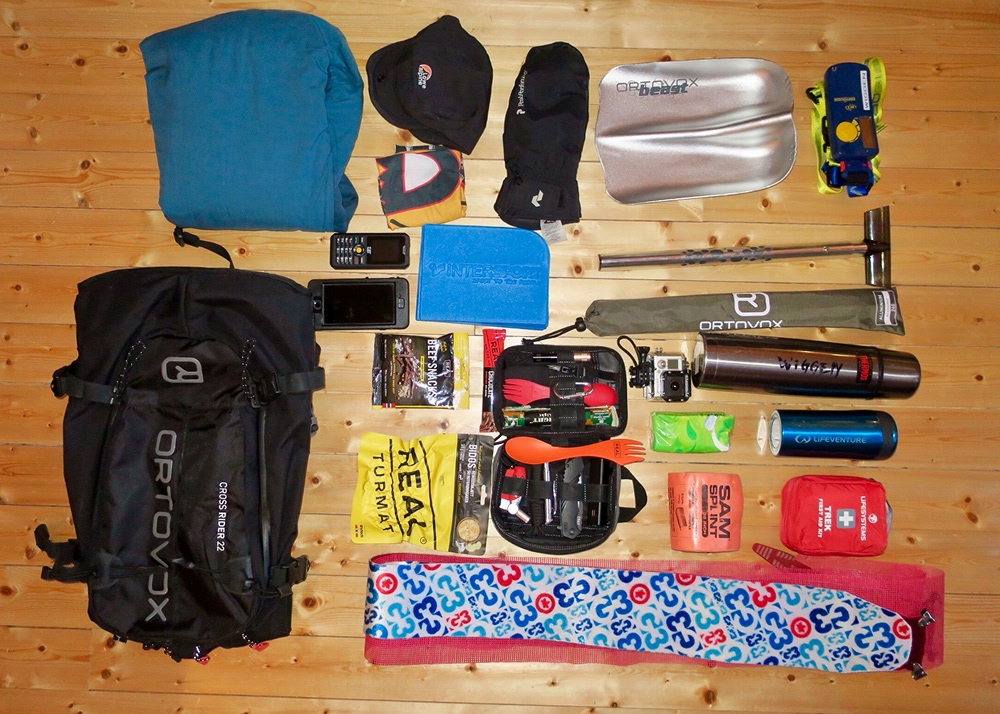
These items should be part of your backpacking checklist:
- Hiking boots or shoes
- Backpack
- Tent
- Sleeping bag and sleeping pad
- Stove and fuel
- Kitchen supplies
- Plenty of food
- Water bottles and water-treatment supplies
- Weather-appropriate clothing
- Emergency and hygiene supplies
- Small repair kit
Optional comforts include a pillow, lantern, or tent footprint for extra protection.
Backpacking gear
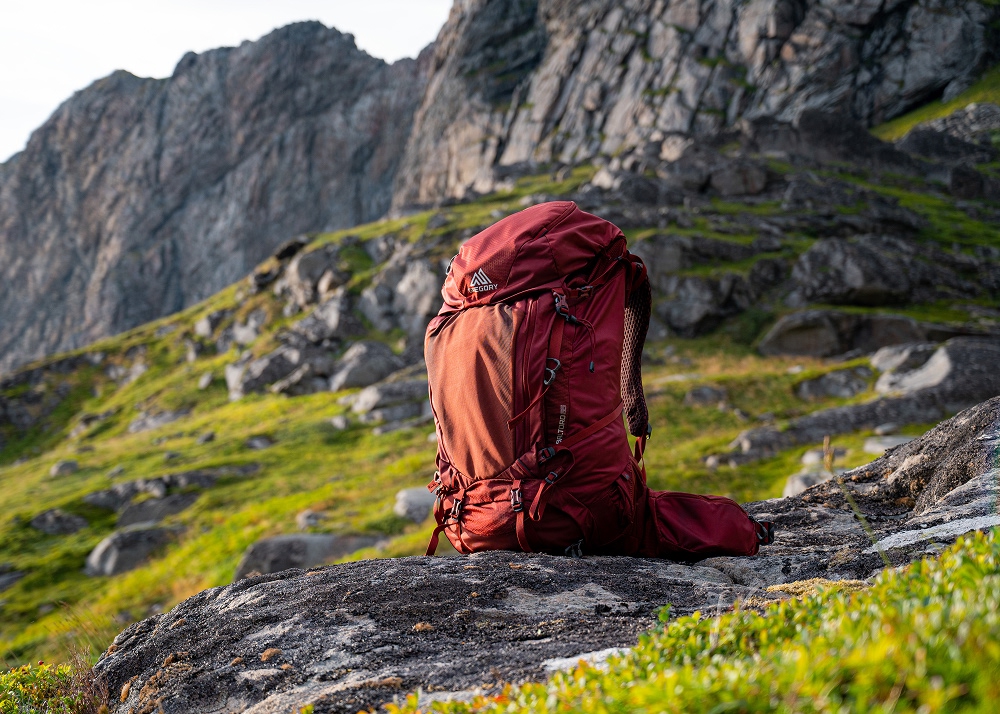
Your backpack is your mobile home. Choose a pack between 30-50 liters for short trips or up to 70 liters for longer expeditions. Always test-fit with weight before you go.
- Backpack with raincover
- Backpacking tent
- Sleeping bag
- Sleeping pad
- Headlamp or flashlight (with extra batteries)
Camp kitchen
Eating well keeps your energy and spirits high. A lightweight stove and simple cookware go a long way.
Pack:
- Stove and fuel
- Cookset, pot grabber, and utensils
- Bowl, mug, and quick-dry towel
- Biodegradable soap and sponge
- Collapsible water container or bottles
- Animal-proof food storage or hanging system
Bring a mix of easy trail snacks (energy bars or drinks) and simple dehydrated meals for dinner. Check out our backpacking food ideas article for more ideas and methods of making food outdoors.
Food and water
Plan meals based on trip length and available water sources. A good rule is 1/2 liter of water per hour of moderate hiking.
Include:
- Water filter or purification tablets
- Energy snacks and electrolyte drinks
- One extra day’s supply food
If unsure about water availability, carry an additional soft water container.
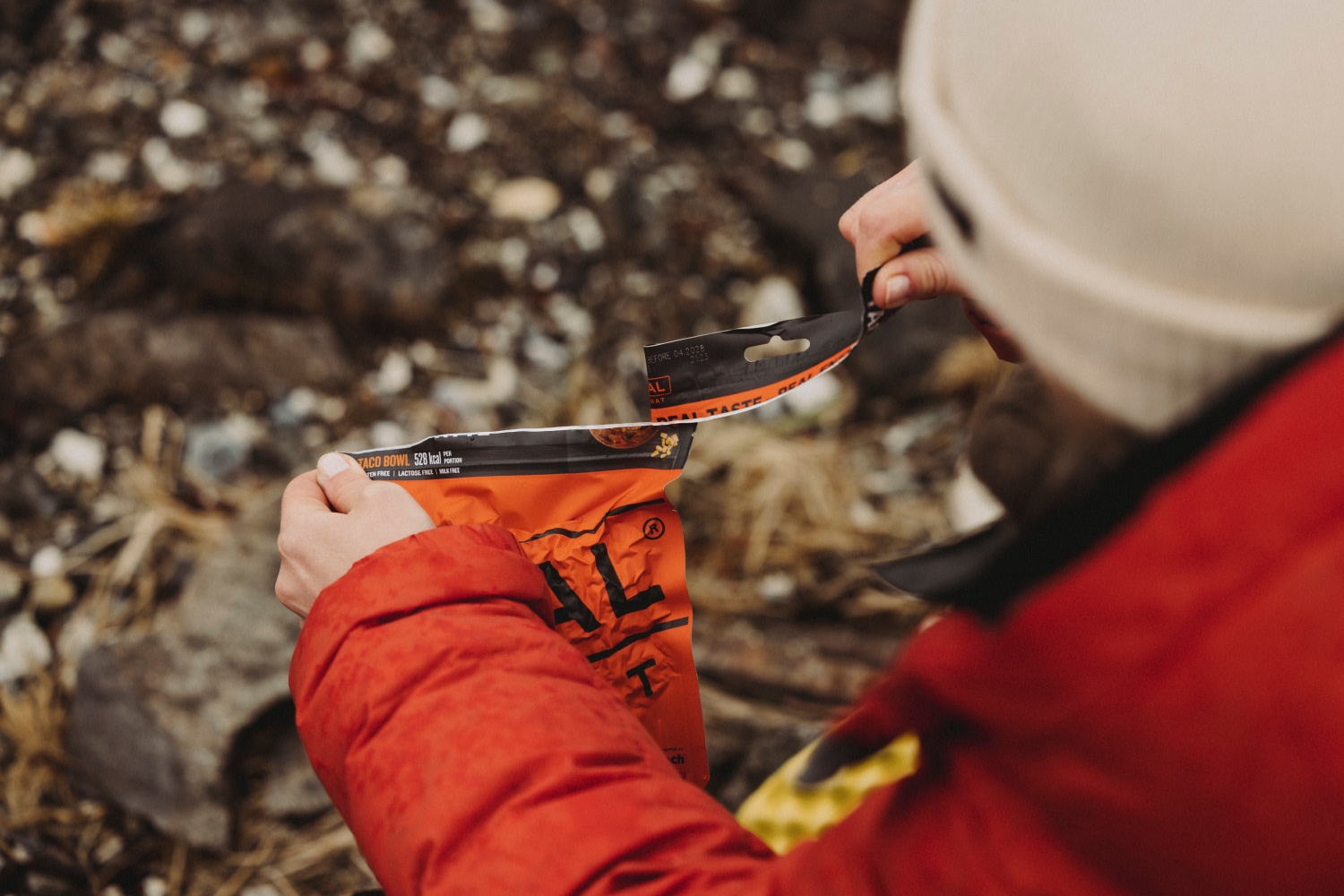
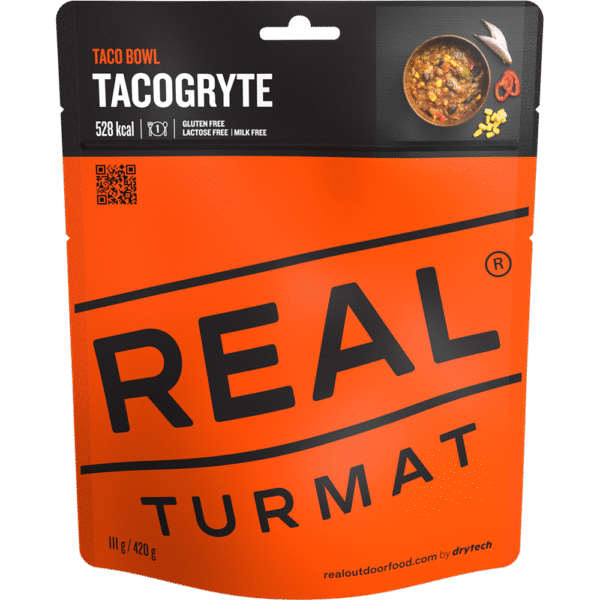
Freeze-dried meals are an excellent option for backpacking. They are lightweight, take up little space, and provide balanced nutrition after long days on the trail. All you need is hot water to prepare them directly in the pouch, no cleanup. Meals from our store, such as REAL Turmat and REAL Field Meal, are designed for these conditions, offering reliable energy and great taste wherever you go.


Clothing and footwear
Always check the forecast and pack for the expected conditions, plus a little extra. Bring layers that handle both temperature changes and unexpected weather. Choose clothing that dries quickly, manages moisture, and offers protection from the sun.
Footwear depends on where you’re going. On smooth, well-maintained trails, hiking shoes or trail runners work well. For rough or rocky terrain, go with sturdy boots that support your ankles and provide good traction.
Recommended clothing checklist:
- Moisture-wicking underwear
- Lightweight, quick-dry T-shirt
- Quick-drying pants or shorts
- Long-sleeve shirt for sun or insects
- Lightweight fleece or jacket
- Hiking boots or trail shoes suited to the terrain
- Wool or synthetic socks
- Extra set of clothes for changing conditions
For colder or wetter trips, add rain gear, gloves, and a warm hat.
Navigation and safety
A map and compass never run out of batteries. Even if you use GPS, keep a backup system.
Bring:
- Map (in waterproof sleeve) and compass
- GPS or satellite communicator
- Emergency shelter
- First-aid kit and whistle
- Fire starter and waterproof matches
Share your route and leave a copy of your itinerary with someone at home.
Health, hygiene & repair
Stay clean and safe, even in the outdoors.
Items to pack:
- Hand sanitizer and toothbrush
- Toilet paper, wipes, and trowel
- Sunscreen, lip balm, and insect repellent
- Multi-tool or knife
- Small repair kit with duct tape
If you rely on prescription meds or glasses, pack extras in a waterproof bag.
Optional extras
A few small comforts can make your trip more enjoyable.
- Lightweight camp shoes or sandals
- Journal, book, or playing cards
- Compact binoculars or camera
- Permits, ID, and some cash
Final tips for backpackers
- Pack light: Only bring what you truly need.
- Test your gear: Do a short hike before your trip.
- Stay organized: Use packing cubes or dry bags.
- Leave no trace: Respect nature and pack out all waste.
A well-packed backpack lets you focus on what really matters, the journey, not the weight on your shoulders.